What If Grief Was Never Meant to End in Disconnection?
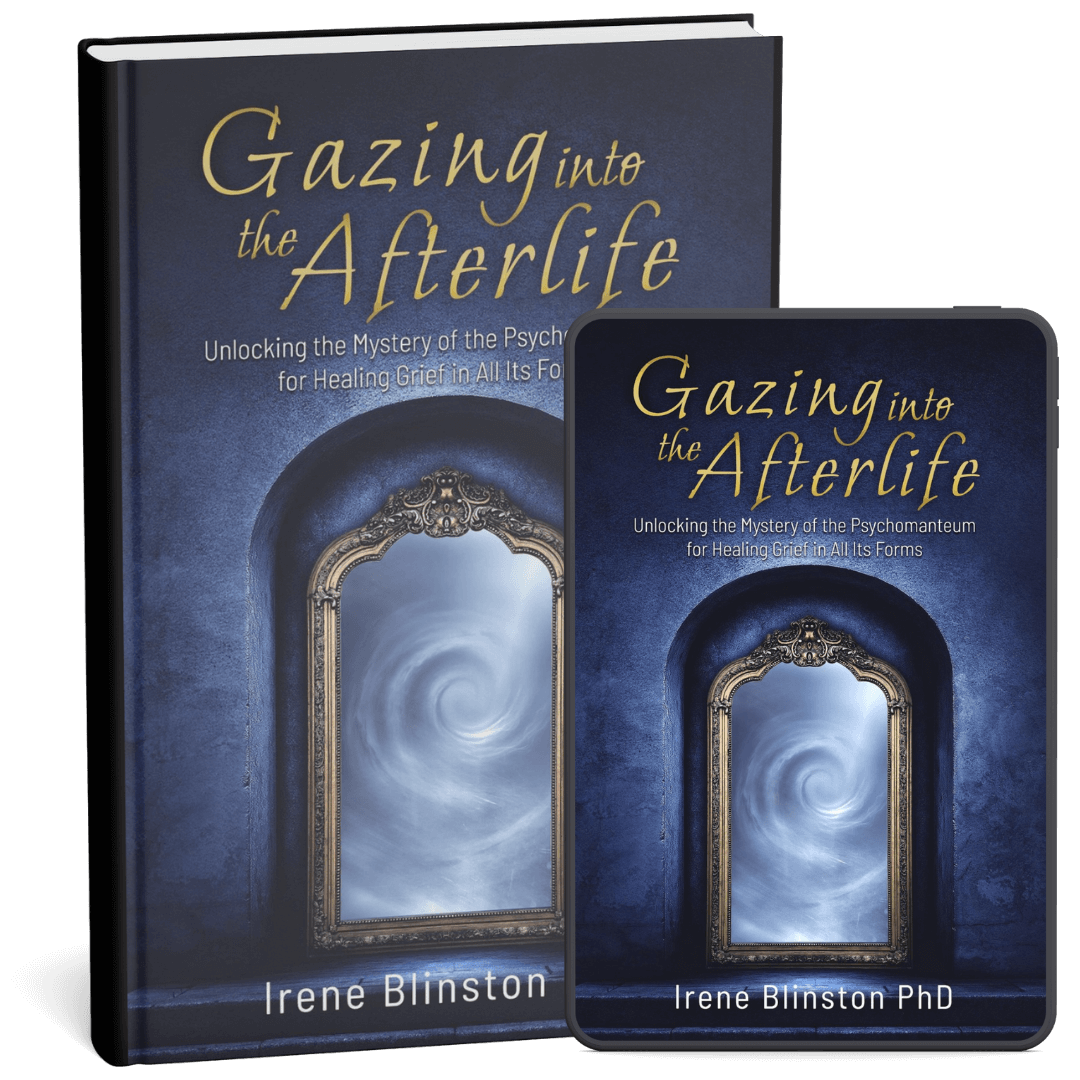
Read the opening chapter of Gazing Into the Afterlife and explore why the desire to reconnect with loved ones who’ve passed on may be natural, cross-cultural, and deeply human.

Fourteen months after her daughter’s sudden death, Sarah sat in complete darkness, hands folded in her lap, facing a mirror.
She wasn’t looking for closure.
She wasn’t trying to “move on.”
She wanted what so many grieving people want—but are rarely allowed to admit: One more conversation.
The opening chapter of Gazing Into the Afterlife begins here—not with answers, but with a question our modern grief culture often avoids.
What This Chapter Is
This first chapter does not teach the psychomanteum process.
It does not promise contact, visions, or supernatural experiences.
Instead, it invites you into the context behind the work.
What You’ll Explore in Chapter 1
In this opening chapter, you'll explore:
Why the urge to maintain connection after loss is far more common than most grief models acknowledge
How Western psychology came to equate healing with detachment—and why that paradigm is being questioned
The concept of continuing bonds and why it reframes grief as relationship, not pathology
Cross-cultural practices that normalize ongoing connection with the dead
Why encounters, dreams, and sensed presence are not automatically signs of dysfunction
This chapter creates a psychological and ethical foundation for understanding grief before any method is introduced.
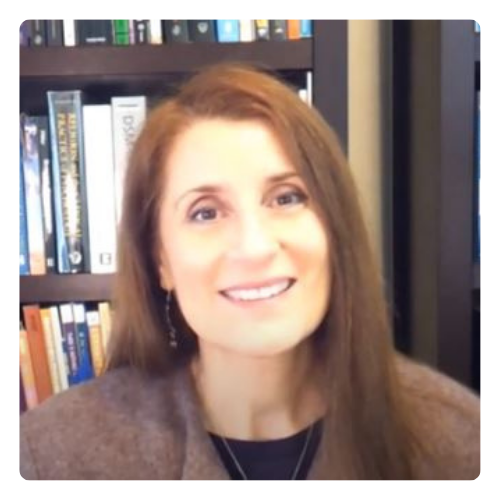
About Dr. Irene Blinston
Dr. Irene Blinston holds a PhD in Transpersonal Psychology and has spent over two decades refining and facilitating the psychomanteum process.
She worked alongside the late Dr. Arthur Hastings on landmark research into this ancient Greek method for healing grief. This research has helped hundreds of grieving individuals experience profound transformation—often after traditional approaches had failed.
She is the author of When Children Witness the Sacred: The Lifelong Aftereffects and Disclosure Aspects of Religious Apparitions Experienced in Childhood and the creator of the only comprehensive practitioner certification program for psychomanteum facilitation.
This book represents over 20 years of research, facilitation, and firsthand experience with what's possible when we stop trying to sever bonds with our lost loved ones.
Frequently Asked Questions
Is this ebook really free?
Yes. No credit card required. Enter your first name and email, and you'll receive the complete book in your inbox within minutes.
Is this religious or spiritual content?
The psychomanteum has roots in ancient Greek practices, but the book approaches the topic from both a research and practical perspective. People of all belief systems have experienced profound healing through this process.
I'm a grief practitioner. Is this book for me?
Absolutely. While the book is accessible to anyone interested in grief healing, it contains research findings, ethical protocols, and practical information specifically valuable to professionals—including death doulas, therapists, counselors, hospice workers, and spiritual guides.
What format is the book?
You'll receive a PDF that you can read on any device—computer, tablet, or phone.
Will I receive other emails from Dr. Blinston?
You'll receive occasional updates about trainings and resources for grief practitioners. You can unsubscribe anytime with one click.
Copyright © 2026 Dr. Irene Blinston, Ph.D.. All Rights Reserved.